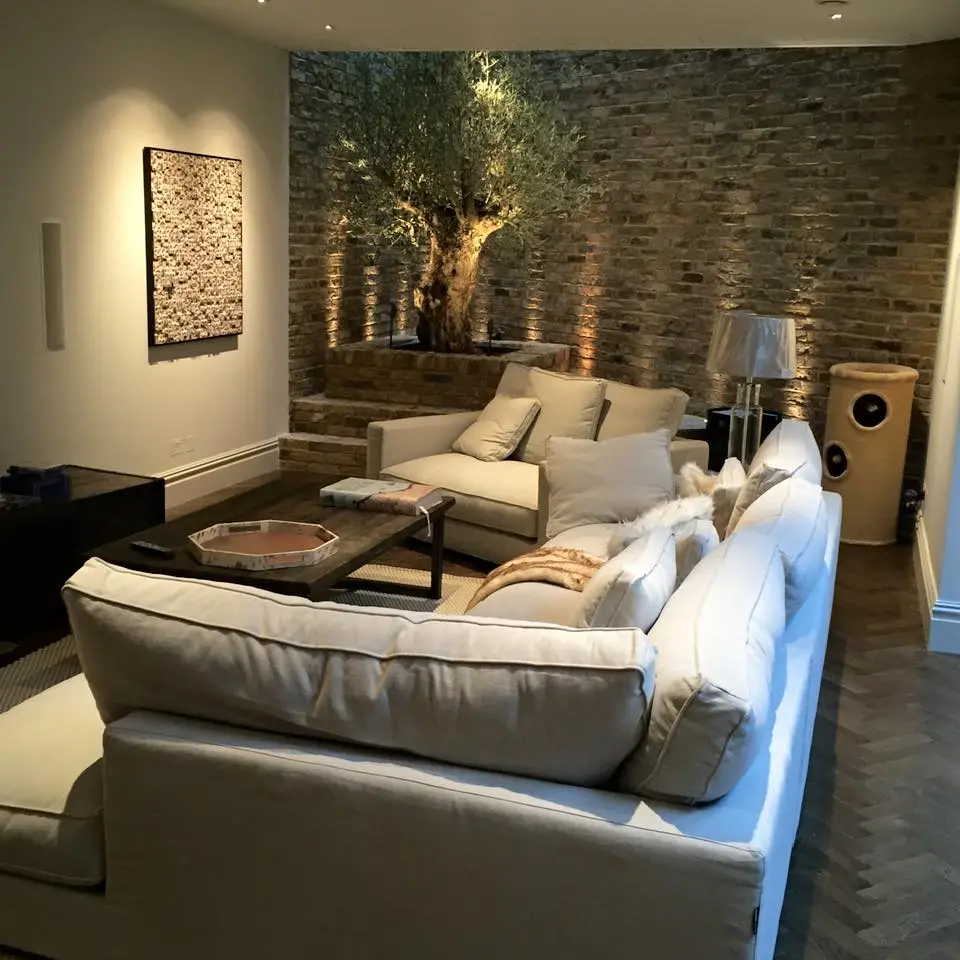
Restoring an old parquet floor
If you’ve recently lifted an old carpet and found a parquet floor underneath, you may be wondering whether it’s worth saving. More often than not, it is.
Parquet was a popular choice in British homes, schools and halls for much of the twentieth century, and a lot of it is still there today, hidden under carpet, lino or laminate. Because it is made from solid blocks of hardwood, an old parquet floor can usually be sanded and refinished, and it will often look as good as the day it was laid.
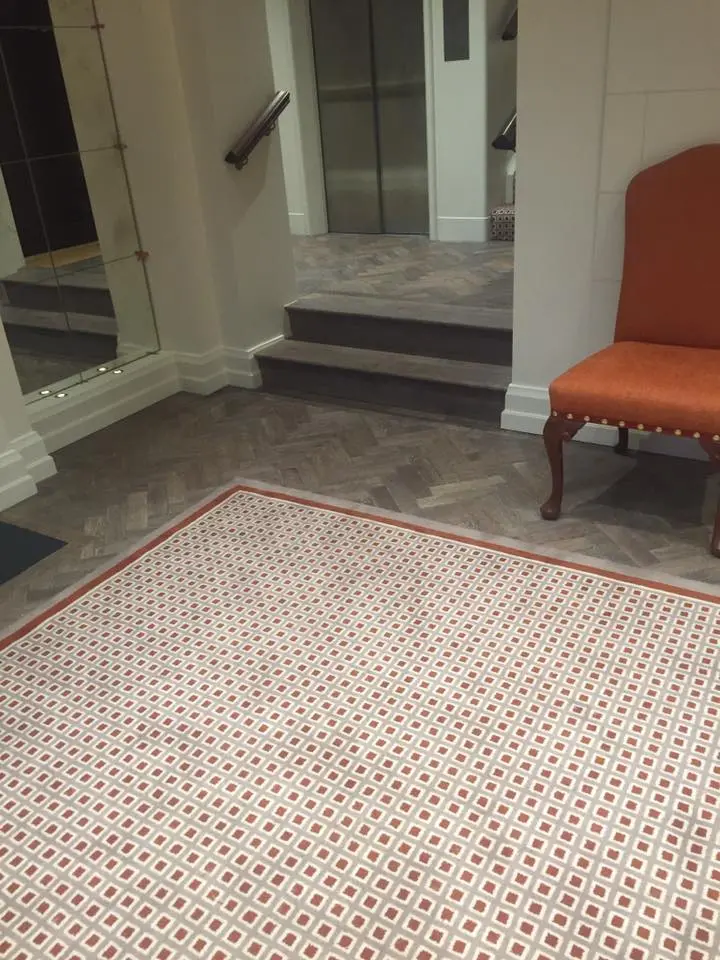
In this guide, we’ll take you through what we look for when we assess an old parquet floor, the most common problems we come across, and how the floor is brought back to life.
Is it worth saving?
In most cases, yes. Even a parquet floor that looks to be in a sorry state can usually be restored for a fraction of the cost of replacing it. That said, there are a few things we check before giving the go ahead.
Loose blocks
Walk across the floor and listen out for hollow sounds, or blocks that rock or click underfoot. Loose blocks are very common in older parquet floors, and on their own they are no reason to give up on the floor.
Missing or damaged blocks
Blocks often go missing over the years, for example where a wall has been taken down, a radiator pipe has been moved or a doorway has been changed. These can be replaced, but it helps to know how large the area is early on.
Moisture
Moisture is the biggest enemy of any wood floor, and parquet is no exception. Blocks that have lifted up into a peak, or dark patches on the surface, usually point to a moisture problem. As we explain in our installation guide, the cause needs to be found and fixed before any work is done on the floor itself.
How much wood is left
Every time a floor is sanded, a little of the wood is removed. Most traditional parquet blocks have plenty of wood to work with, but a floor that has already been sanded several times may not have much left. The easiest way to check is to lift a loose block, or to look at the edge of a block next to a threshold or an air vent.
Re-fixing loose blocks
Older parquet floors were usually laid in bitumen, a black, tar-like adhesive. Over the years the bitumen dries out and loses its grip, which is why the blocks start to come loose.
Loose blocks are lifted, the old adhesive is scraped off the underside of the block and off the sub-floor, and the block is then glued back down with a modern flooring adhesive. Where a large part of the floor has come loose, it may be better to lift and re-lay that whole section.
Please note, some older bitumen adhesives contain asbestos. If you’re planning on lifting any blocks yourself, it’s worth having the adhesive tested first.
Replacing missing blocks
Where blocks are missing or too badly damaged to save, they can be replaced. The best results come from reclaimed blocks of the same species and size, as these will have aged in much the same way as the rest of the floor. If reclaimed blocks can’t be found, new blocks can be cut to size.
Replacement blocks will usually look a little different to begin with. Sanding the whole floor afterwards evens out most of the difference, and a light fast stain or a tinted oil can help blend in the rest.
Sanding a parquet floor
Sanding parquet takes a bit more care than sanding floorboards. With floorboards, the sander can follow the grain of the wood. With a herringbone or chevron pattern, the blocks run in different directions, so whichever way the sander travels, it will be working across the grain of half the blocks.
To get around this, a parquet floor is sanded in several directions, typically on the diagonal, using finer abrasives with each pass. It is then finished off with a rotary sander, which takes out the fine scratches left behind by the drum sander and leaves a smooth, even surface that’s ready to be sealed.
Any gaps between the blocks are filled before the final sand, using a filler made with the floor’s own dust so that it matches the colour of the floor.
Finishing
Once the floor has been sanded, it can be sealed with either a Hardwax oil or a lacquer. Both work well on parquet, and the choice mostly comes down to the look you’re after and how busy the room is. We go through the pros and cons of each in part 3 of our installation guide.
A lot of old parquet floors were finished with dark varnishes or waxes that have yellowed over the years, so it often comes as a pleasant surprise to see the natural colour of the wood once the old finish has been sanded off!
How long does it take?
It depends on the size of the floor and how much repair work is needed. As a rough guide, on a floor that needs a lot of work we get through around 15 to 20 square metres a day, not counting the time it takes to apply the finish. If a lot of blocks need to be re-fixed or replaced, allow some extra time for the adhesive to set before the floor is sanded.
If you’ve found parquet under your carpet and would like to know whether it can be saved, request a site visit and we’ll come and take a look.
Team up with Spartan Flooring
We take tremendous pride in the quality of work we deliver, and we're always looking to build relationships with domestic and commercial clients.
Prefer to talk? Call 07790 884 985